|
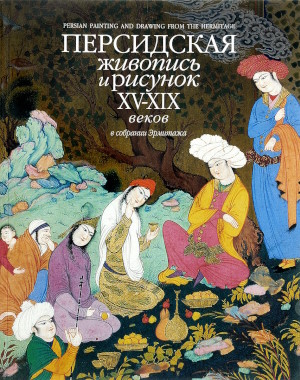 А.Т. Адамова
|
Персидская живопись в Эрмитаже. ^ |
Persian Painting from the Hermitage. ^ |
|
|
Эта выставка и этот каталог являются результатом многих лет работы над осмыслением истории живописи в мусульманском Иране. Жизнь изобразительного искусства Ирана прослеживается как исторический поток, в котором друг друга сменяют книжная миниатюра, «станковый» рисунок и станковая каджарская живопись. Уже это расширяет обыденное представление о живописи мусульманской Персии, как только об изящных книжных иллюстрациях.
Две особенности создали уникальную возможность ощутить все прелести книжной миниатюры. Процесс реставрации знаменитой рукописи Хамсе Низами 1431, позволил показать её на выставке в расшитом виде, выставить отдельно все её страницы. После выставки реставрация будет завершена, и книга — переплетена воедино.
Техника репродуцирования позволила воспроизвести в отдельности те детали миниатюр, которые составляют особое композиционное единство, и тем самым выделить их из ковровой причудливости общей орнаментальной мелодии. Благодаря этому, перед нами предстают неожиданные картины, полные изящества и особого смысла.
Миниатюры, не связанные с текстом, собранные в специальные альбомы, знакомят и с особым жанром, и с особыми чертами образа жизни персов позднего средневековья. В этих миниатюрах прочитываются символы и притчи, видны глубокие художественные послания и откровения. Особого внимания заслуживает миниатюра на ларце 1776, где художественное мастерство сочетается и с не совсем, казалось бы, обычной идеей — образом единения мусульманской и христианской культур.
А рядом — красочные картинки на лаковых пеналах снова напоминают о столь характерной для исламского искусства эстетике внимательного и близкого рассматривания вещи, взятой в руки.
Только недавно мир ценителей открыл для себя прелести станковой живописи Ирана XIX в. Влияние западных мастеров породило стиль, в котором древние традиции преобразились, нисколько не унижая себя, и создав необыкновенный новый язык, полный изящества и монументальности, строгости и почти извращённой утончённости.
На выставке показаны прекрасные портреты из знаменитой коллекции Эрмитажа. Однако подлинной мировой сенсацией являются только что отреставрированные две батальные многофигурные картины, изображающие парад и сражение. Попавшие в Эрмитаж в качестве кавказских трофеев русской армии, они являются удивительными документами военного противостояния России и Персии и редкими памятниками новой персидской живописи.
Набор памятников, способ их предоставления и анализа позволяют не только увидеть историю развития позднесредневековой персидской живописи, но ощутить её особенности и общие черты в сравнении с мировым, в первую очередь европейским, художественным процессом. Тщательно проведённый анализ открывает двери для многих других исследователей, не обладающих специальным востоковедным опытом.
Обобщающее исследование иллюстрируется почти исключительно материалами из Эрмитажной коллекции, заново представляя их зрителю, и лишний раз свидетельствуя об их богатстве и представительности и о том, что музей продолжает быть одним из важных центров мировой востоковедной науки.
Михаил Пиотровский Директор Государственного Эрмитажа |
This exhibition and catalogue are the result of many years’ work in studying the history of painting in Islamic Persia. The life of the fine arts in Iran can be viewed as a historical stream in which miniatures for books, “easel” drawings and Qajar oil-paintings succeed one another. These expanded on the everyday conception of painting in Islamic Persia as only book illustrations.
Two special features have created the unique possibility of appreciating all the charms of the miniatures for books. The ongoing process of restoring the celebrated manuscript of Nizami’s Khamsa (1431) has made it possible to present it at the exhibition unbound, with each page displayed separately. After the exhibition, the restoration will be completed, and the book will be re-bound together.
Reproduction technique has made it possible to reproduce separately those details of the miniatures which form a particular compositional unity, and by which these miniatures are distinguished from the fanciful carpet-weaving of a general ornamental melody. Owing to this, unexpected pictures appear before us, full of elegance and special meaning.
Miniatures which are not connected with texts, but collected in special albums, acquaint the viewer both with special genres and with special aspects of the way of life among Persians of the late Middle Ages. In these miniatures symbols and parables are interpreted and deep artistic messages and revelations make themselves apparent.
Worthy of special attention is the miniature on a casket, dated 1776, in which artistic mastery is combined with an idea which might seem rather unusual — an image of the unity of Islamic and Christian cultures.
There are also colorful pictures on lacqured pencases, which again recall the aesthetic, so characteristic of Islamic art, of an attentive and close regard for articles taken in hand.
Only recently has the world of art connoisseurs become aware of the charms of the easel-painting of nineteenth century Iran. The influence of west- (6/7) ern masters gave rise to a style in which ancient traditions were transformed, while in no regard slighting themselves, and creating an extraordinary new language full of charm and monumentality, austerity and almost unexcelled refinement.
On display on the exhibition are celebrated portraits from the Hermitage collection. The real global sensation, however, are two many-figured canvases whose restoration has just been completed, portraying a military review and a battle. Received at the Hermitage as trophies of the Russian Army from the Caucasus, these pictures are remarkable documents of military conflict between Russia and Iran, as well as being rare monuments of modern Iranian painting.
The assortment of art work and the manner of their presentation and scholarship make it possible not only to view the history of the development of late medieval Persian painting, but to appreciate both its unique traits and general features in comparison with the rest of the world, particularly with European artistic development.
The thorough analysis opens the doors for many other researchers who may posess no special Orientalist experience.
A. Adamova’s comprehensive survey is illustrated almost exclusively by materials from the Hermitage collection, presenting them anew to visitors, and once more testifying to its wealth and prestige, and to the fact that the museum continues to be one of the world’s foremost centers of Orientalist research.
Mikhail Piotrovsky Director of the State Hermitage Museum |